Milky Nails: The Sheer, Glossy Polish Trend Taking Over Right Now (and How to Get It)
By Hilario Herrera · Last updated ·Research-based guide · Some links are paid links (disclosure).
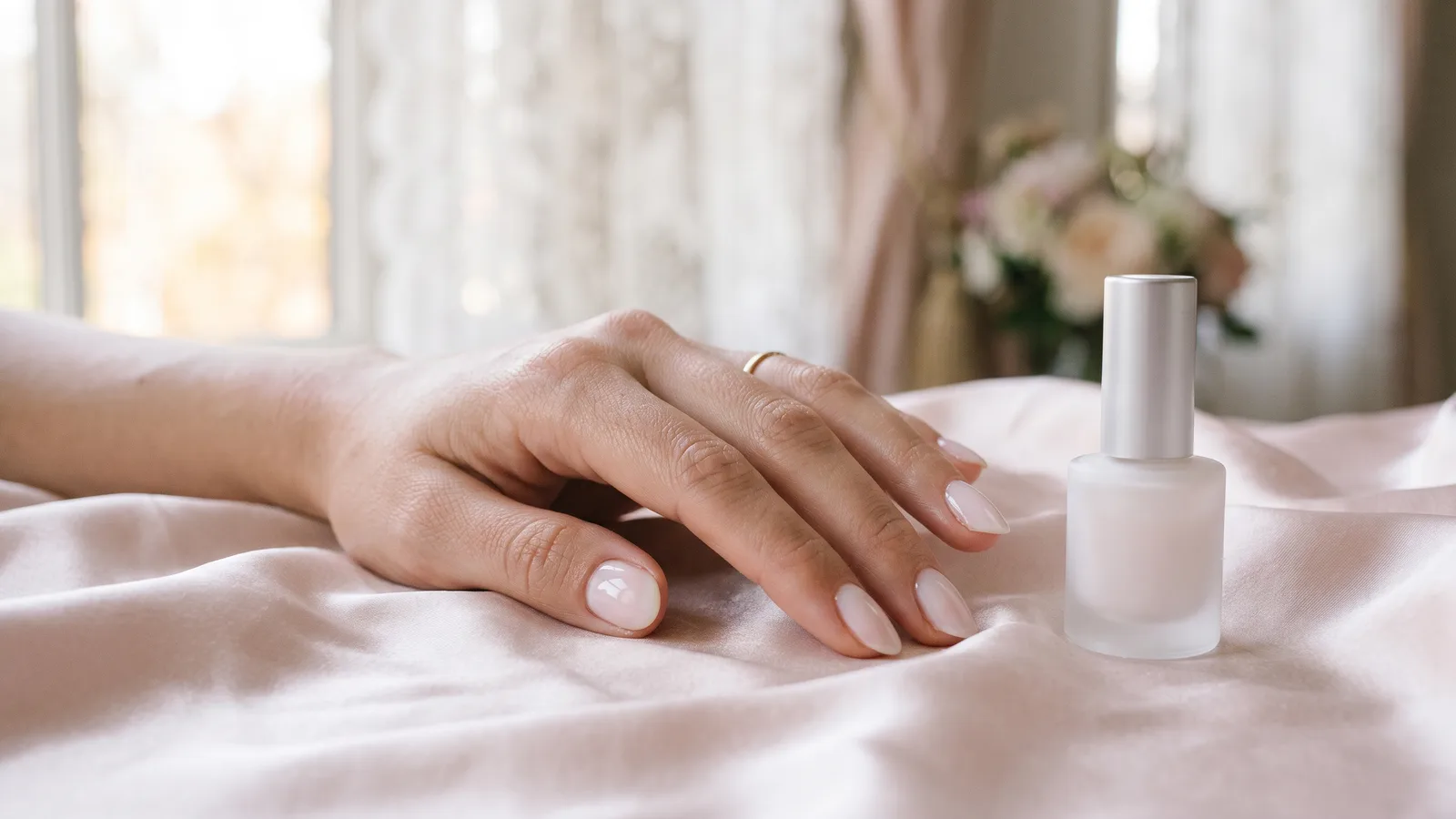
What Are “Milky Nails,” Exactly?
Milky nails are a sheer, cloudy-white or barely-pink polish applied in thin layers so your natural nail glows through, like skimmed milk poured over glass. The finish sits between “your nails but better” and full opaque color — soft, glossy, and low-commitment.
The look exploded because it photographs beautifully and works with almost any outfit, skin tone, or nail shape. Unlike a solid manicure, milky polish doesn’t scream for attention — it just makes hands look clean and healthy.
Milky vs. French vs. Nude: What’s the Difference?
Milky polish is a single, sheer wash of color over the whole nail — no tip line, no two-tone contrast. French manicures paint a white or colored tip over a nude base, creating a visible edge. Nude polish is usually more opaque and skin-matching, while milky polish stays translucent by design, letting light and the nail bed show through.
That translucency is the whole point: milky nails read as “your nails, elevated,” while French tips read as a deliberate two-step design. If you want something that looks barely-there but still finished, milky is the lower-maintenance choice, since there’s no crisp tip line to keep pristine as your nails grow out.
Where the Trend Actually Started
Search interest in “milky nails” tracks pretty closely with Hailey Bieber’s “glazed donut” moment — the shimmery, milky-nude look she and her manicurist popularized around the same time as the glazed donut skin trend. The nail version dropped the shimmer and leaned into a flatter, cloudier white-pink wash, and it stuck. Nicola Peltz is another name that comes up constantly in milky-nail roundups; her red carpet and press-tour manicures have leaned into the same sheer, glassy white-pink family for several seasons, and stylists frequently cite her look as a reference point when clients ask for “that milky thing.” Neither look is a single, trademarked shade — it’s more of a mood board than a formula, which is part of why so many brands have released their own take on it.
Milky vs. Jelly vs. Glazed: What’s the Difference?
These three terms get used almost interchangeably online, but they describe slightly different finishes:
- Milky describes the color family — a cloudy, sheer white-to-pink wash that lets the natural nail show through.
- Jelly describes the texture — a translucent, slightly domed, glossy finish (think the wobble of an actual jelly dessert) that most milky polishes are built on. A polish can be jelly-textured without being milky-colored, and vice versa, though the two overlap constantly in this trend.
- Glazed describes the finish — the extra-high-shine, almost wet-looking topcoat effect associated with the glazed donut aesthetic. Glazed nails can be milky, but the term is really about shine level, not color; a matte milky polish exists and just isn’t “glazed.”
In practice, most of what’s marketed as “milky nails” combines all three: a jelly-textured, milky-colored polish finished with a glazed, high-shine top coat.
The Products Behind the Trend
Several brands have leaned into the milky aesthetic with formulas built for sheer, buildable coverage rather than one-coat opacity.
- essie’s Nail Art Studio Jelly Gloss polishes are formulated for a glossy, jelly-like sheerness that’s designed to be layered rather than applied thick, according to essie’s own product descriptions.
- Dazzle Dry’s “Prima Ballerina” shade is a long-time favorite in the milky-nail community for its soft pink-white cast and the brand’s claimed quick-dry, breathable formula — Dazzle Dry markets its system as free of several common polish chemicals, though “breathable” nail polish claims are a marketing term, not a medically verified one.
- OPI’s nude and sheer-white shades (various names across collections) offer a similar milky cast within a more widely available, mainstream price point.
- Static Nails and other press-on/growth-polish brands have released “milky” or “glazed” polishes and treatments, which sidestep salon time entirely but come with the usual press-on tradeoffs — fit and longevity depend heavily on nail prep.
For most of these, “milky” is a color and finish description, not a treatment claim. The exception is Static Nails, which markets its 5-in-1 as a clinically tested strengthener — that is the brand’s own study, not independent research, so treat it as a plus rather than a promise.
How to Apply Milky Polish So It Actually Looks Milky
The short answer: thin coats, patience between layers, and a good top coat matter more than the specific polish you buy. Milky finishes rely on light layering to build sheer, even coverage — rushing this step is the most common reason the trend looks streaky at home.
Step-by-Step
- Start with clean, shaped nails and a ridge-filling base coat if your nail surface is uneven — sheer polish shows every ridge.
- Apply your milky shade in thin coats, letting each one dry until just tacky before adding the next. Most people need two to three coats to reach the signature cloudy opacity.
- Cap the free edge (swipe polish over the very tip) each coat to prevent early chipping, since sheer polish shows wear faster than opaque color.
- Finish with a high-gloss top coat — the “glazed” look depends on shine as much as color.
The Sheer-Build Technique, Explained
The reason milky polish looks streaky for some people and flawless for others usually comes down to one habit: patience between coats. The “sheer build” technique means you’re not trying to reach full opacity in one or two coats the way you would with a solid cream polish — you’re layering thin, near-transparent washes and letting the color deepen gradually.
A few things that make a real difference:
- Wipe your brush before each stroke. Loading the brush with too much polish is the single biggest cause of pooling at the cuticle line.
- Let each coat flash-dry (60–90 seconds) before the next. Applying a second coat over wet polish drags color and creates streaks that no top coat can fix.
- Go thinner than feels right. The nail should look almost too sheer after coat one — that’s correct. Milky finishes are built up, not applied heavy.
- Cure or dry fully between coats if using gel-based milky polish, since gel formulas don’t self-level the way regular lacquer does.
Shade Families: Which Milky Tone Suits You
“Milky” isn’t one color — it’s a family, and the undertone you pick changes how the finish reads against your skin.
- Strawberry milk — a warm, dusty pink-white with a slight rosy cast. Tends to flatter warm and olive undertones and reads soft rather than bold.
- Blueberry milk — a cooler, faintly lavender-blue wash that’s become a favorite for fall and winter takes on the trend. Suits cool undertones and pairs well with silver jewelry.
- Lavender milk — a pale, barely-there purple-gray. A good middle-ground pick for neutral undertones, and one of the more “trend-forward” milky shades right now.
- Vanilla or oat milk — the warmest, most neutral-beige option in the family, closest to a classic nude. Tends to be the most universally flattering starting point if you’re not sure which undertone you lean toward.
- French-milky — a hybrid where a sheer milky base is topped with a soft, barely-there white tip instead of a hard French line. It reads as milky nails with a whisper of definition, and it’s a good option for anyone who finds a fully monochrome manicure too plain but doesn’t want a crisp, classic French.
If you’re unsure where to start, vanilla/oat milk and French-milky are the two most forgiving options across skin tones, since neither leans hard into pink or cool undertones.
Who Milky Nails Flatter
Because the finish is sheer and neutral, it tends to suit a wide range of skin tones and nail shapes without needing color-matching the way bold polish does. It’s also a forgiving option for anyone growing out gel or acrylic, since the sheer color blends the demarcation line better than a solid shade would.
Milky Nails for Halloween 2026
Milky manicures aren’t an obvious Halloween look, but that’s exactly why they’re showing up in a lot of “elegant Halloween nails” roundups this season — a sheer, glossy base reads as a genuine finished manicure the other 364 days of the year, so the spooky element can stay small and optional instead of overwhelming the whole nail.
A few low-effort ways to take a milky manicure into Halloween territory without turning it into a costume:
- Micro-French in black. Instead of the soft white French-milky tip, swap in a single hairline of black polish along the very edge of the nail over a milky base. It’s subtle enough to wear to work and reads “elevated goth” rather than “Halloween costume.”
- One accent nail. Keep every nail milky except the ring finger, where a tiny hand-painted bat, ghost, or spiderweb sits on top of the sheer base. Because the background is soft and pale, even a simple accent design shows up clearly without needing detailed nail art skills.
- Deepen the shade slightly. A blueberry-milk or lavender-milk base instead of vanilla reads a little moodier and more seasonally appropriate for October without abandoning the trend’s core sheerness.
The reason this combination works, according to manicurists who cover seasonal trends, is contrast: a milky base is deliberately quiet, which makes a single graphic or dark detail pop instead of competing with a busy, all-over Halloween design. It’s a way to acknowledge the holiday without a full costume manicure that you’ll want to remove on November 1st.
Honest Limitations of the Milky Nail Look
Milky nails are low-drama, but they’re not zero-maintenance, and the format has real tradeoffs worth knowing before you buy a bottle.
- Growth and chips show faster. Sheer polish doesn’t hide the gap between your cuticle and old polish the way an opaque color can, so milky manicures often look “grown out” sooner than bold shades — expect touch-ups within a week or so of nail growth.
- Uneven application is more visible. Because the whole appeal is a smooth, cloudy wash, any streaking, bubbling, or uneven layering is much easier to spot than it would be in a solid color.
- Some quick-dry sheer formulas thicken in the bottle over time, which can make later coats goopy or streaky — a known quirk of fast-drying polish chemistry, not a defect specific to any one brand.
- Press-on milky sets depend on fit. If your nail beds are unusually curved or small, off-the-shelf press-ons may need filing or custom sizing to sit flush.
None of these issues make milky nails a bad choice — they just mean the trend rewards a little technique and realistic expectations about touch-up frequency.
If the “milky” aesthetic is your thing beyond your nails, it shows up elsewhere in the beauty world too — milky, low-foam cleansers are a whole category in Korean-inspired skincare routines, built around the same soft, barely-there idea applied to skin instead of polish.
Fizz & Frillz researches products rather than lab-testing them — we tell you what the makers claim and what the evidence says, and we say plainly what we haven’t tried.